Vision
A world in which everyone has a decent place to live.
Mission
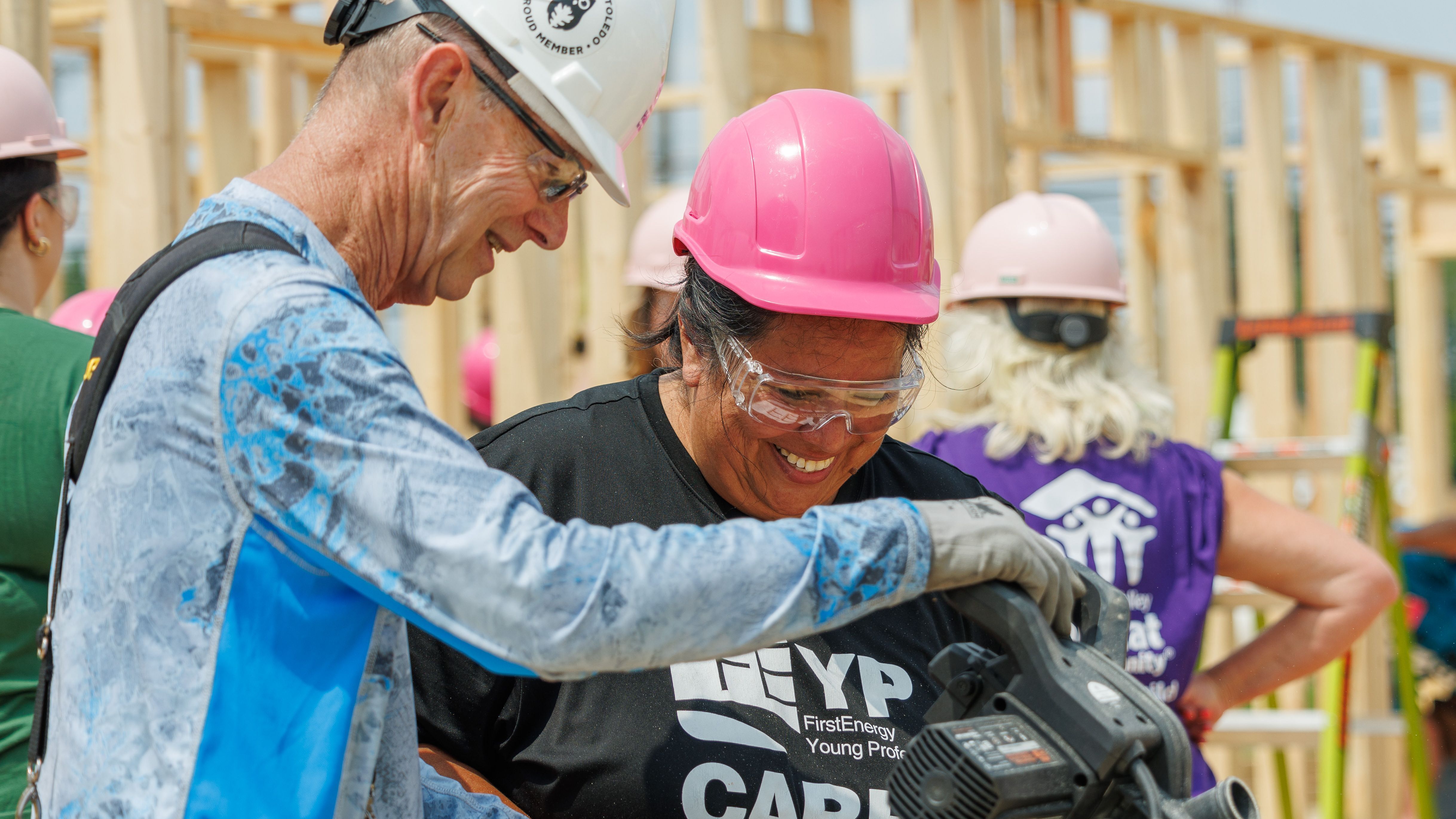
Seeking to put God's love into action, Habitat for Humanity brings people together to build homes, communities and hope.
History
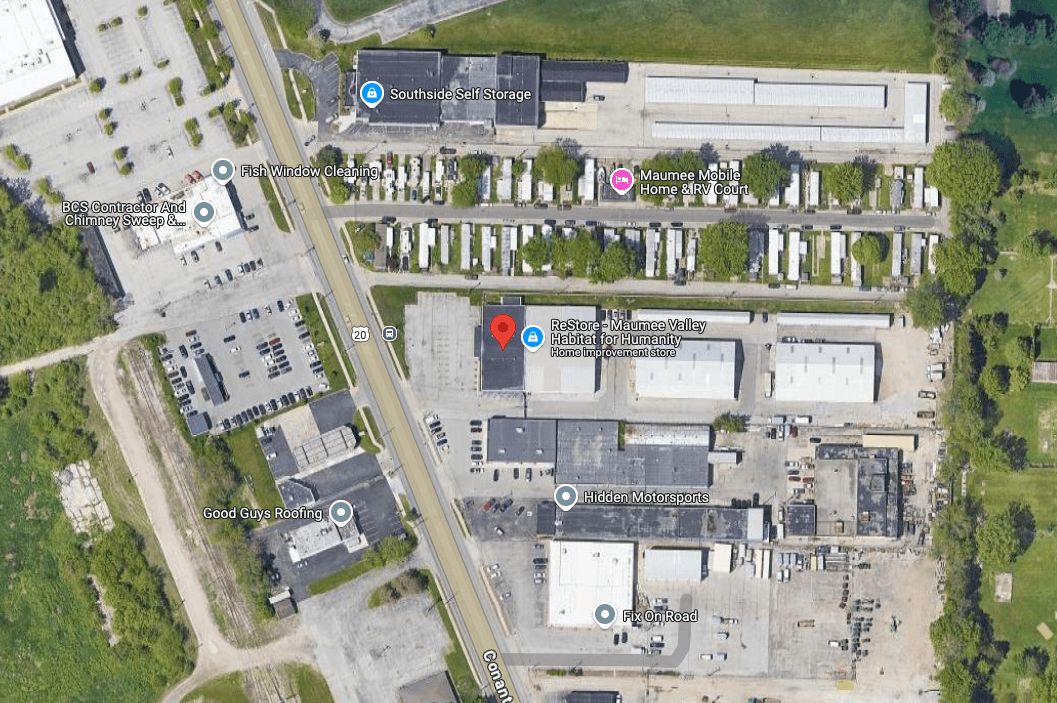
In 1988, a group of community and congregational volunteers formed Maumee Valley Habitat for Humanity. As the scope of work grew, the MVHFH ReStore opened in 2004, helping to fund home builds and provide a place for the community to donate gently used furniture, appliances, and home goods. In 2008, the affiliate shifted focus from building new homes to repairing and preserving existing homes, creating the Home Repair Ministry.
Since our formation, the MVHFH affiliate has built 231 homes and completed 100 home preservation projects.
MVHFH is an affiliate of Habitat for Humanity International (HFHI). HFHI is a global nonprofit housing organization working in local communities across all 50 states in the U.S. and in approximately 70 countries. While MVHF’s work is focused on Lucas County, Ohio, we share with HFHI the vision, mission, and commitment to serving all people.
Tithe
Did you know that every Habitat affiliate gives 10% of undesignated gifts to one the 65 countries in which Habitat for Humanity is active? This is called our Tithe. Based on the biblical model of tithing, this 10% helps increase the impact of donated monies and helps us work towards our vision of a world where everyone has a decent place to live.
For every dollar that Maumee Valley Habitat for Humanity tithes:
33.3% to Ethiopia
33.3% to Guatemala
33.3% to Habitat for Humanity’s Disaster Risk Reduction and Response program
Creating Spaces of Belonging
In 1942, on the outskirts of Americus, a rural South Georgia town, a radical experiment began.
The farm was called Koinonia, and it was to be a first-century version of Christian living in a 20th-century context. It would be a place where everyone — no matter race, gender, or wealth — would be welcomed. The guiding principle would be the New Testament concept of koinonia: fellowship, sharing communion.
Koinonia Farm was where the seeds for Habitat for Humanity were sown. With Koinonia’s roots of racial and economic equality informing the foundation of Habitat’s mission, we seek to honor and embrace the various beliefs, unique identities, and lived experiences of our team, our program participants, and community. We commit to creating spaces of belonging for everyone, without barriers. We recognize that diversity within our organization adds value; we are better for it. Further, we believe the work of putting God’s love into action requires us to respect, honor, and affirm each individual and family with whom we come into contact. Therefore, we will ensure that all will enjoy equal access and opportunity to meaningfully participate in building homes, community, and hope.
Koinonia Farm was the culmination of the lifelong passions of farmer and biblical scholar Clarence Jordan. On that farm, among rows of pecan trees, after years of struggles caused by boycotts and persecution, the seeds for Habitat for Humanity were sown. Today, we continue Jordan's legacy as we build homes, community, and hope.
Non-Proselytizing Policy
Habitat for Humanity International and its affiliated organizations (Habitat for Humanity) will not proselytize, nor will Habitat for Humanity work with entities or individuals who insist on proselytizing as part of their work with Habitat for Humanity. This means that Habitat for Humanity will not offer assistance on the expressed or implied condition that people must (i) adhere to or convert to a particular faith or (ii) listen and respond to messaging designed to induce conversion to a particular faith.